


Technical inspection and diagnostics
Checking power, installation, network communication and configuration to identify the actual cause of a problem.
Technical supportEvery technical intervention begins with checking the vessel’s actual condition. We then define what should be repaired, upgraded or replaced.
Checking power, installation, network communication and configuration to identify the actual cause of a problem.
Technical supportSystem architecture, compatibility, protection, equipment and scope before work begins.
Marine solutions and productsComponents are selected for the vessel, its use and the existing installation.
Marine solutions and productsClean installation of new equipment, connection to existing systems and preparation for configuration.
Marine solutions and productsConfiguration of devices, networks, alarms, charging, monitoring and control logic.
Technical supportFault correction, component replacement, planning and coordination of more complex upgrades.
Technical supportAccurate initial information speeds up compatibility checks, equipment selection and the next step.
Choose the area that best describes your project or problem. Every solution starts with vessel details, existing equipment and real operating conditions.
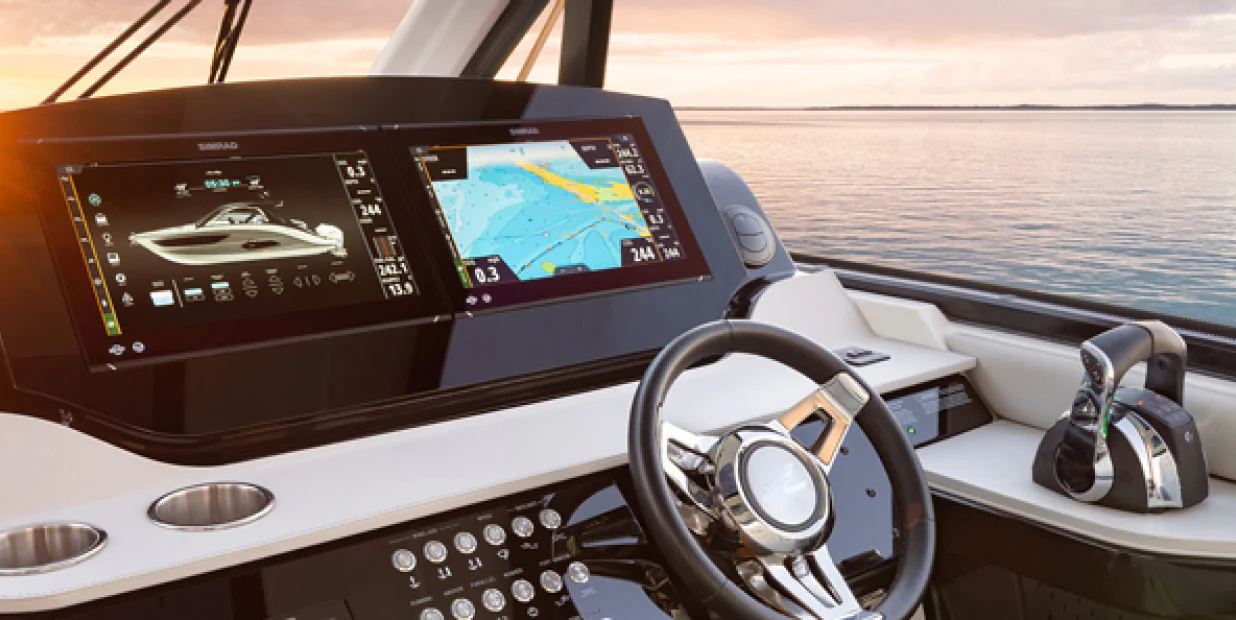
A chartplotter, radar, AIS, autopilot and sensors may each be functional while still exchanging incomplete or incorrect data. We therefore assess the power supply, network, configuration and real use together.
Check your electronics and onboard network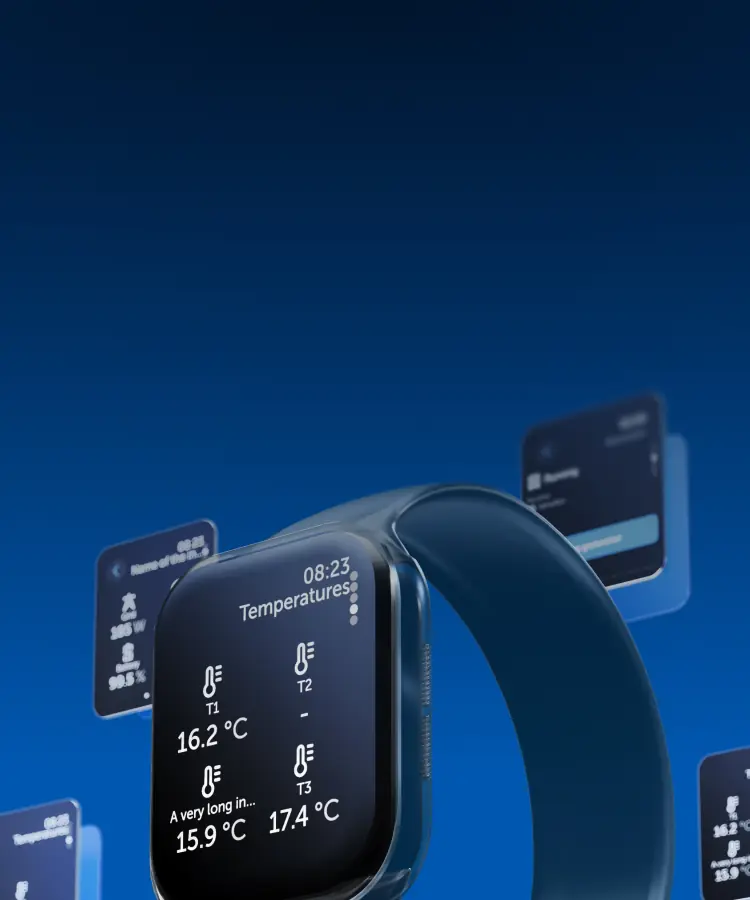
A larger battery alone does not solve an energy shortfall. Bank capacity, peak loads, charging sources, protection and monitoring must work as one coordinated system.
Design your onboard energy system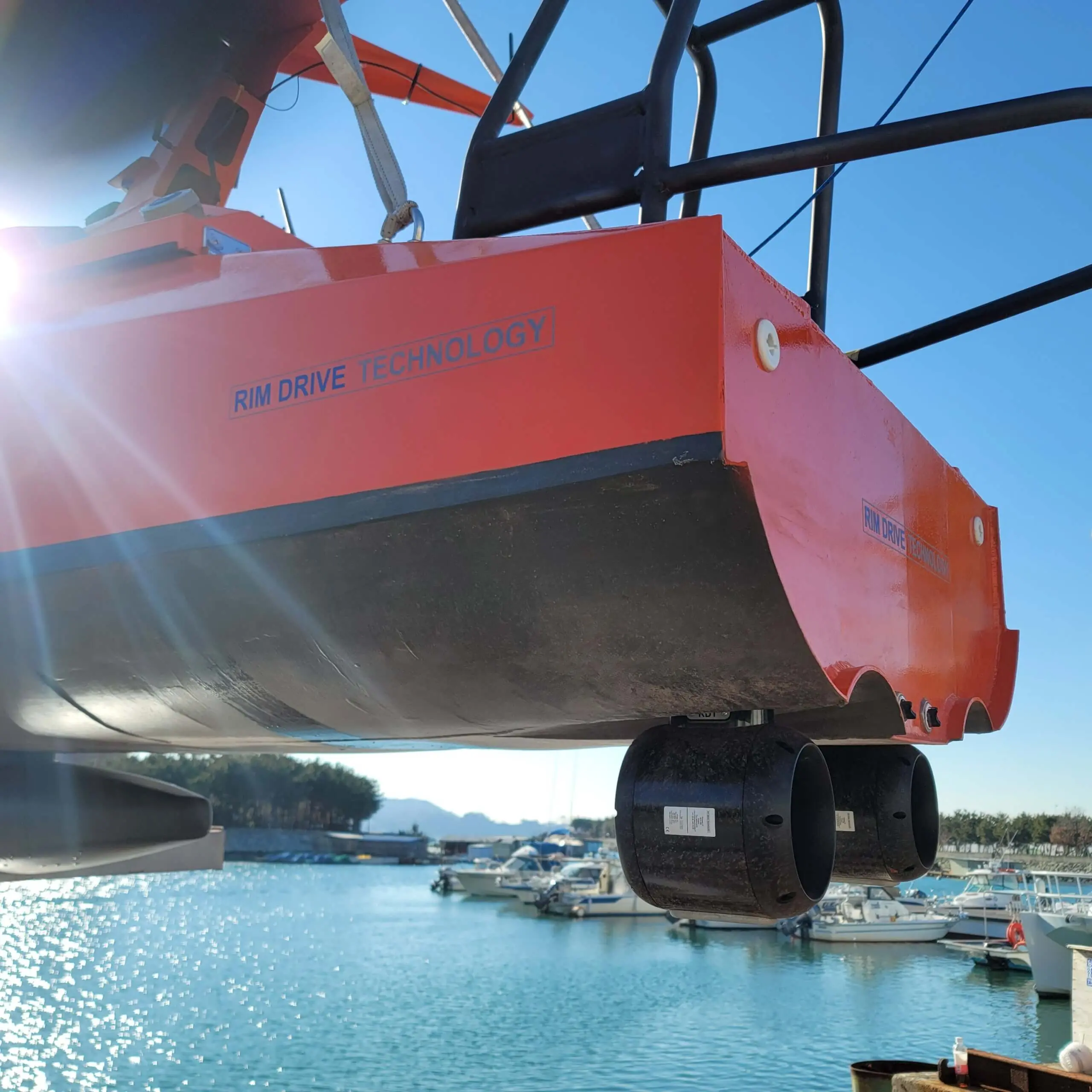
Motor power is only one part of the decision. Hull, displacement, speed, running time, batteries, charging and mechanical installation determine whether a configuration fits the intended use.
Assess electric propulsion for your vessel
An intermittent voltage drop, false alarm or restarting device is often caused elsewhere in the system. A refit therefore begins by recording the existing installation and measuring it under real load.
Find the fault and plan the refit
Low water flow, frequent pump cycling or contaminated fuel are not solved simply by fitting a larger unit. The full fluid path, power supply, filtration and maintenance conditions must be assessed.
Check water, watermaker and fuel systems
Anchor, chain, gypsy, windlass and bow geometry must work together. Underwater-surface protection is a separate task governed by hull material, layout and actual operating conditions.
Match anchoring and underwater-surface protectionSend vessel details, photographs of the existing installation and the desired result. We will propose the next technical step.