
 Victron Energy for marine systems
Blue Power for reliable energy, charging and monitoring on board.
UNLUCKY designs Victron architectures for vessels that need stable 230V, 12V, 24V or 48V power, smart charging, solar and VRM monitoring without improvisation.
Inverters, chargers, batteries, solar and monitoring in one ecosystem


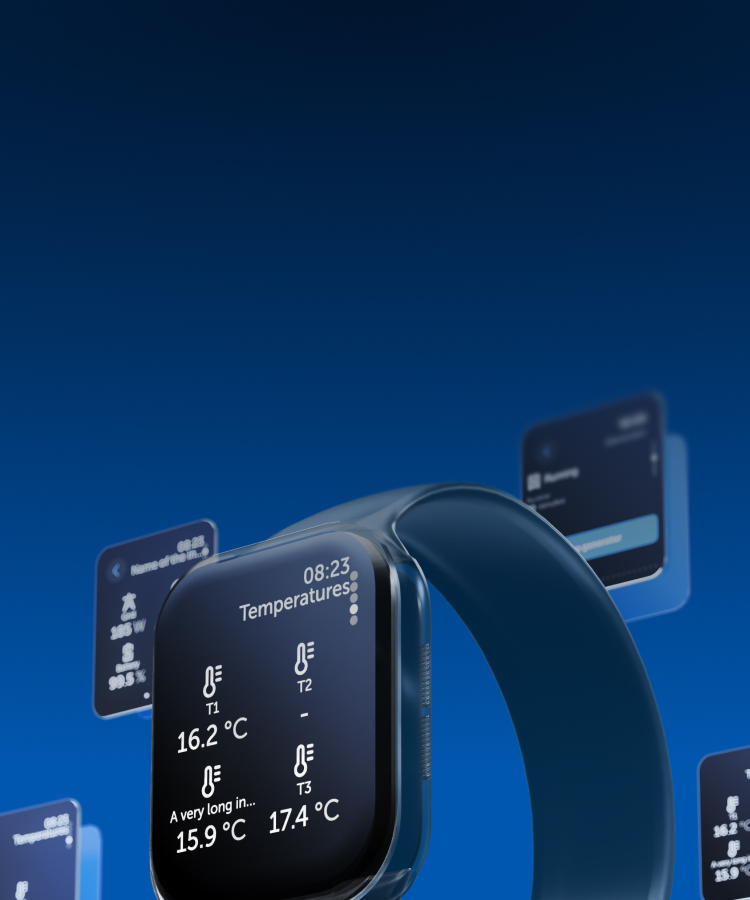
Blue Power ecosystem
From one service battery to a complete 48V architecture: Victron components connect sources, loads and monitoring in a system that can grow.
Marine architecture
A complete energy system instead of separate parts.
Victron works best when designed as one system: shore power, generator, alternator, solar, battery bank, DC network, AC network and monitoring follow the same logic.
AC
Charge & convert
MultiPlus, Quattro, inverters and chargers for a stable AC/DC system, PowerAssist logic and control of limited shore power.
Shore power • generator • 230V loadsDC
Batteries, BMS and DC protection
LiFePO4 or AGM/Gel banks with monitors, BMS logic, BatteryProtect protection and clear state-of-charge visibility.
SOC • alerts • equipment protectionPV
Solar and MPPT charging
MPPT controllers, RS solar devices and panels to charge batteries while the vessel is at anchor, in marina or underway.
MPPT • solar priority • forecastsGX
GX, VRM and local display
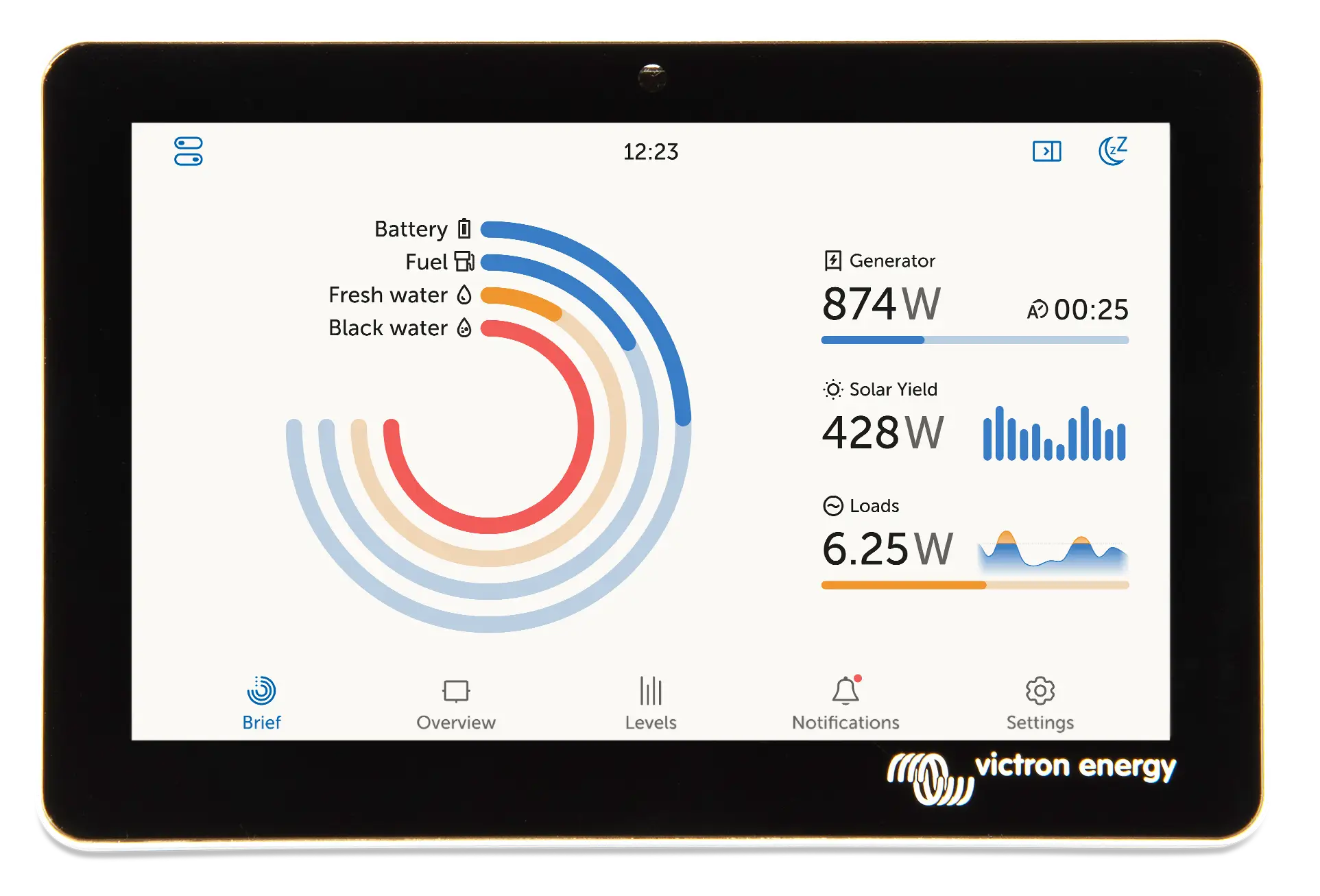
Cerbo GX, Ekrano GX, VictronConnect and the VRM portal show batteries, charging, consumption, alerts and system history.
NMEA • MFD • app • cloud
Configuration finder
Start from the vessel profile.
Choose the closest scenario and get a clear inquiry direction: which sources to connect, which monitoring makes sense and where installation needs checking before a quote.
Compact, clear system for weekend cruising
Usually starts with a Blue Smart charger, Orion XS DC-DC charging, SmartShunt monitoring and a smaller inverter. The goal is a tidy service system that does not overload the existing installation.
- 12V or 24V service bank
- Alternator protection and shore charging
- Simple battery status view
More autonomy without constantly running the engine
MultiPlus-II, MPPT solar, a lithium or AGM/Gel service bank and GX monitoring handle anchoring, refrigeration, autopilot, navigation and occasional 230V loads.
- Solar priority and MPPT sizing
- PowerAssist for limited shore power
- VRM alerts for batteries and charging
High solar potential and stronger daily comfort
Catamarans often need more MPPT inputs, a stronger inverter/charger, precise consumption measurement and good DC/AC load distribution across both hulls.
- Multiple MPPT controllers or RS solar
- Larger service bank and charging balance
- GX monitoring, sensors and MFD view
Stable 230V system and generator control
For larger loads we review MultiPlus/Quattro options, PowerControl, generator run logic, 24V or 48V banks and remote alerts.
- Generator optimisation and load assist
- Larger inverter/charger and AC distribution
- VRM monitoring while the vessel is away
Improve the existing system without replacing everything unnecessarily
In a refit we first read the existing installation. Often it is enough to add proper monitoring, DC-DC charging, MPPT or better shore/generator logic.
- Cable, fuse and grounding review
- Compatibility with existing batteries
- Phased upgrade plan
Victron ranges
Components most often used in marine projects.
The overview is built for fast system understanding. Final selection always depends on batteries, existing wiring, loads, space and cruising profile.

AC/DC power
MultiPlus-II GX
Inverter/charger with GX communication for vessels that need AC power, charging and monitoring in one architecture.

AC/DC power
MultiPlus 500VA
Compact MultiPlus for smaller 230V loads, charging and basic inverter/charger logic.
Batteries and protection
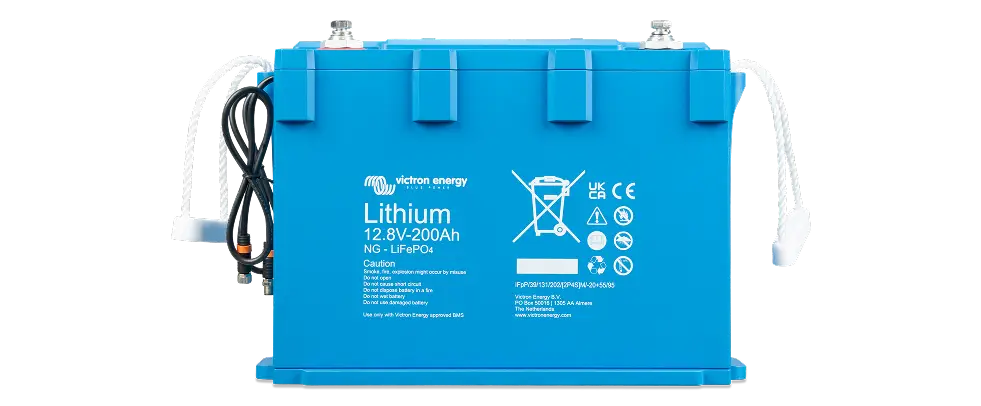
Lithium NG battery
LiFePO4 battery base for projects where weight, cycles, safety and communication matter.

Batteries and protection
SmartShunt 500A
Precise battery measurement without a large display; data is available through VictronConnect and the GX/VRM system.

Solar
SmartSolar MPPT RS 450
MPPT solution for larger solar arrays and vessels that want better charging from panels.
AC/DC power
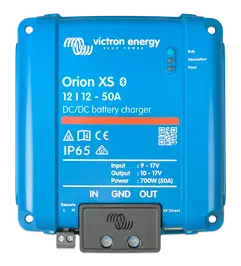
Orion XS
DC-DC charging and alternator protection for service batteries, especially during lithium upgrades.

AC/DC power
Blue Smart IP22 charger
Smart shore charger for maintaining and charging batteries with simple app monitoring.
AC/DC power
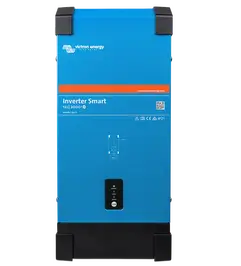
Inverter Smart
Clean 230V output for selected loads when a full inverter/charger system is not needed.
Solar
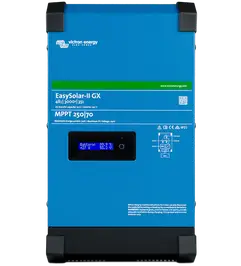
EasySolar-II GX
Combination of inverter/charger, MPPT and GX layer for compact systems with fewer separate devices.

Solar
Multi RS Solar
Inverter/charger with solar logic for larger DC systems and solar-oriented configurations.
Solar
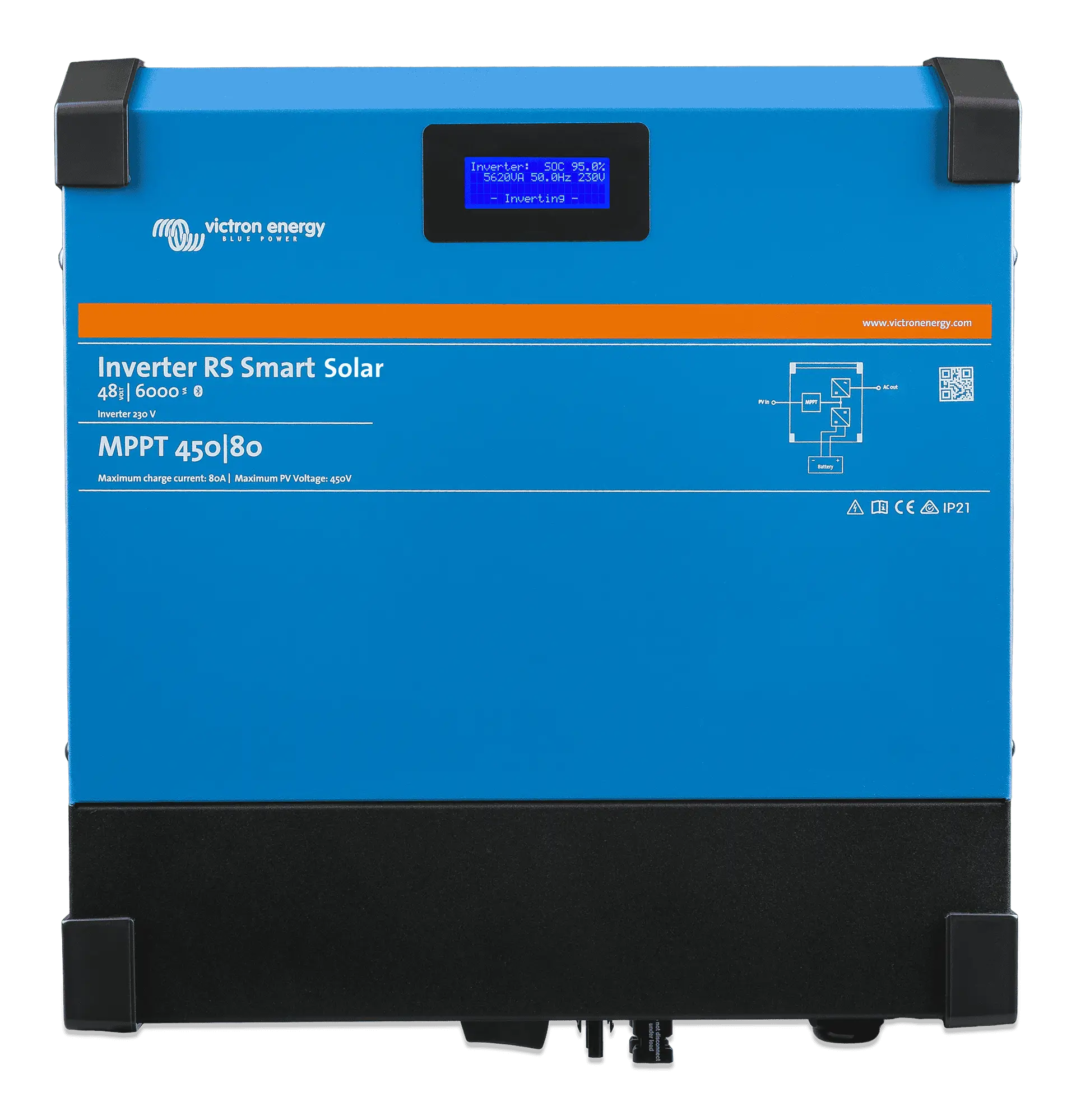
Inverter RS Smart Solar
Smart inverter with solar integration for systems that need strong AC output from a DC/solar base.

Solar
Solar panels
Panels for topping up batteries at anchor, in marina and underway, with proper MPPT sizing.

Monitoring
Ekrano GX
GX communication centre with integrated screen for local display and VRM connection.
Monitoring
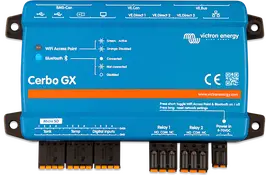
Cerbo GX
Monitoring hub for connecting Victron devices, sensors, network and the VRM portal.

Monitoring
Energy Meter
AC energy measurement for a clearer picture of inputs, loads, consumption and system control.
Monitoring
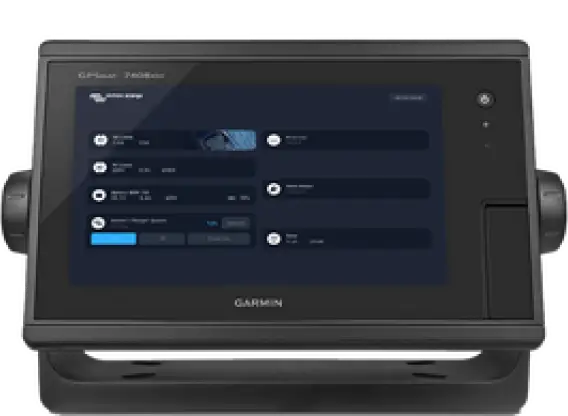
MFD integration
Energy system data displayed on compatible multifunction displays and onboard screens.
Why it matters on board
Less manual switching, more stable system behaviour.
A proper Victron setup does not solve only one problem. It controls shore power, generator, charging, solar, loads and alarms so the crew sees what is happening before a fault becomes a failure.
Limited shore power
PowerAssist and PowerControl help avoid overloading the shore connection while batteries and AC loads are used more intelligently.
Generator runs when it makes sense
On larger yachts the system can be arranged so the generator charges and supports loads without unnecessary low-load running.
Alternator and DC-DC logic
Orion XS and correct sizing protect the alternator, especially when upgrading to lithium service batteries.
Solar as a real source
MPPT controllers and GX/VRM visibility show what the panels really produce and how they affect autonomy at anchor.
Monitoring before failure
VRM alerts, history and remote view help detect voltage drop, wrong charging or unexpected consumption in time.
Service logic
Documented configuration, clear settings and a tidy schematic make later maintenance, upgrades and troubleshooting easier.
UNLUCKY workflow
From vessel review to an installation-ready configuration.
Before ordering, we check existing sources, batteries, chargers, protection, cables, installation positions and communication with the rest of the onboard electronics.
Vessel review
Batteries, chargers, cables, fuses, alternator, shore connection, generator and existing monitoring.
System architecture
Sources, battery bank, inverter/charger power, DC/DC charging, solar and monitoring are defined.
Configuration
Devices, cable sizes, protection, communication and installation space are checked.
Installation and commissioning
Setup and testing of charging, loads, alerts, VRM and user displays.
Support and upgrades
Documented settings make future service, extra panels, new batteries or monitoring expansion easier.
Blue Power overview
The system looks clean when it is designed as a whole from the start.
Victron configuration inquiry
Send your vessel details and get a practical system direction.
We can help fastest when we know the vessel model, existing batteries, shore power, generator, solar, key loads and the goal: autonomy, more 230V power, lithium upgrade or better monitoring.