Wireless docking control
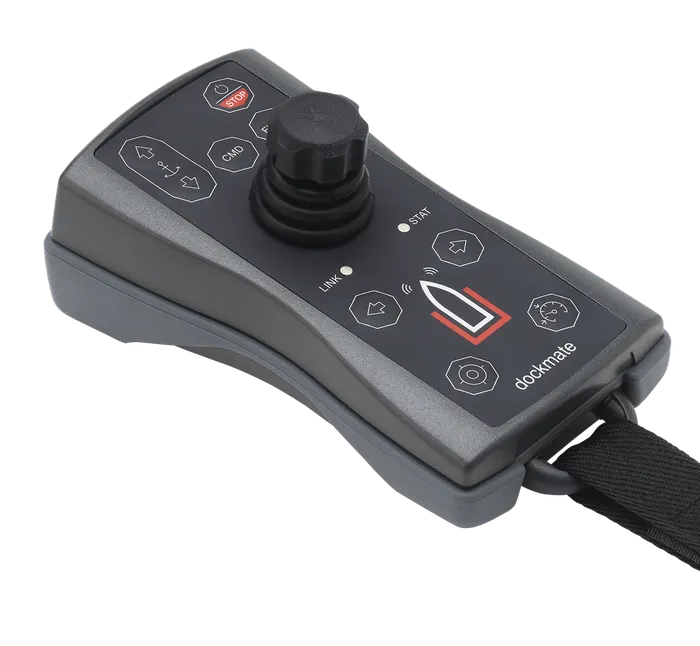
DockMate is designed to control manoeuvring from any safe place on board, with better visibility of sides, stern and bow.

DockMate brings wireless docking control to vessels with electronic controls. UNLUCKY helps with compatibility checks, control logic selection, installation planning and real onboard use cases.
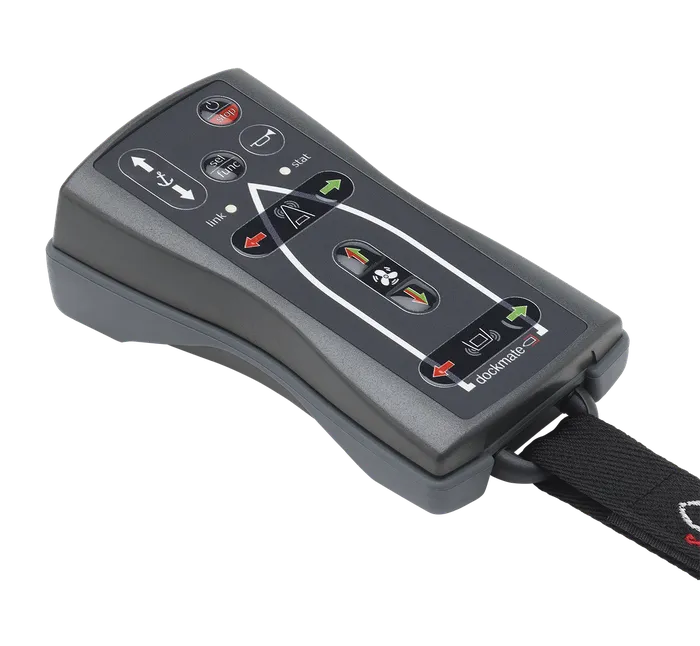
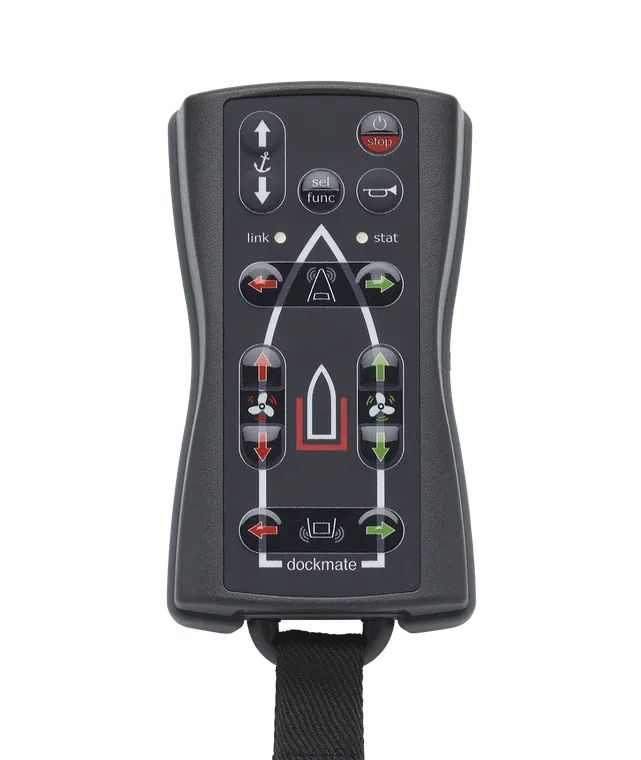
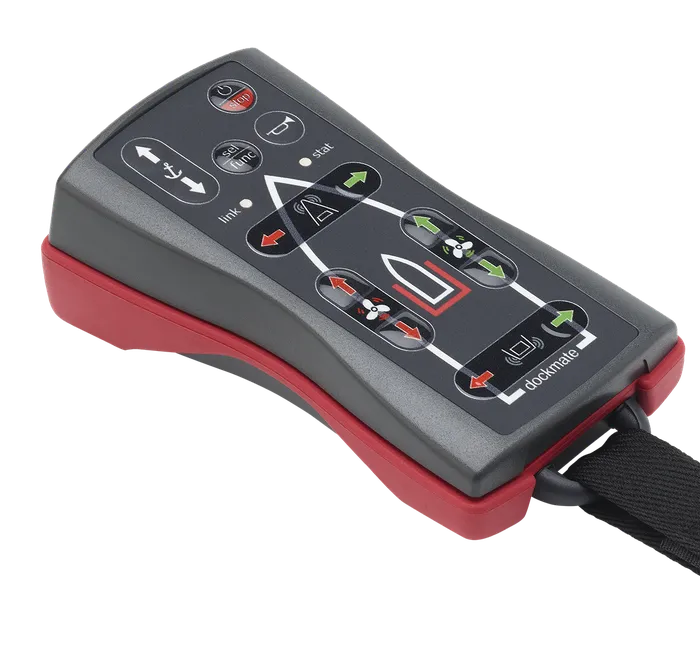
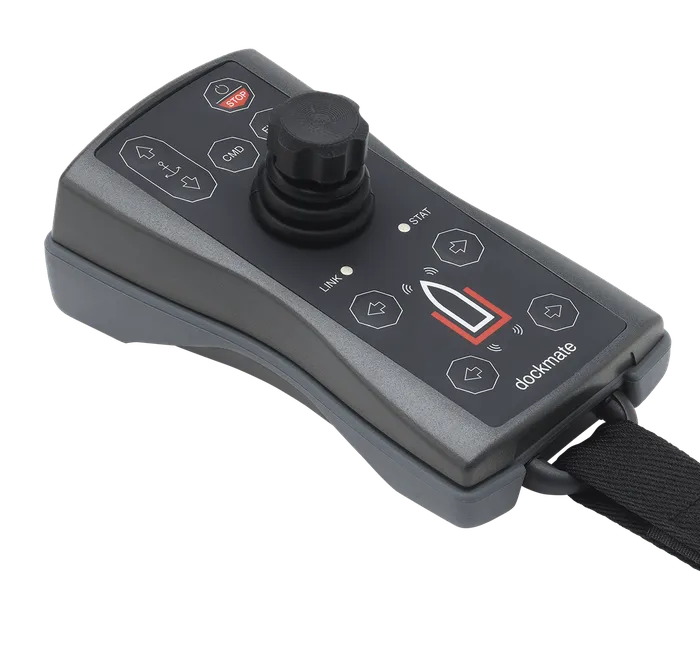
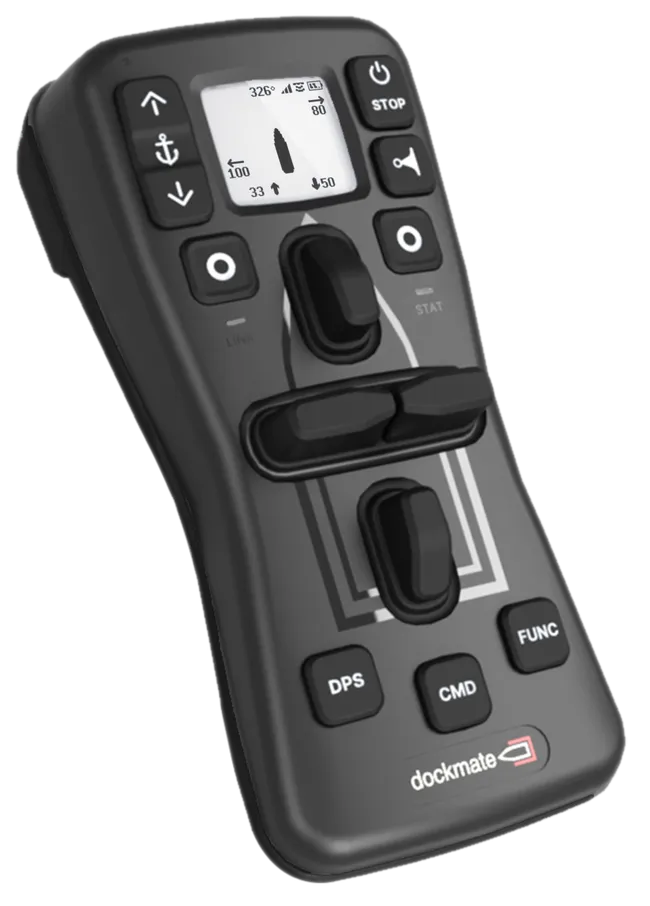
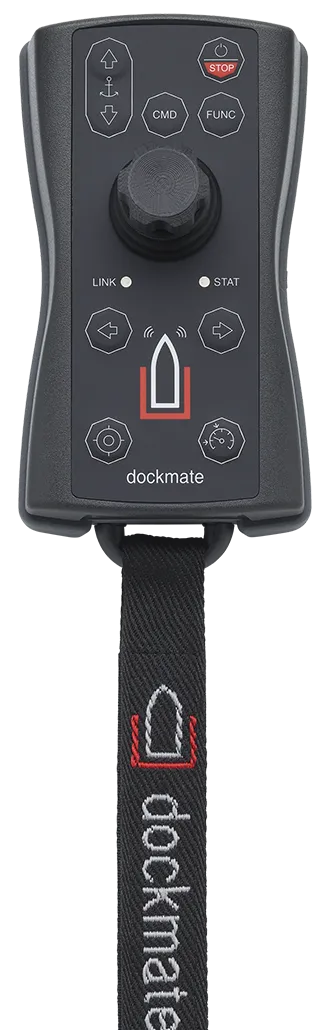
The photos show products, use cases and typical DockMate scenarios: from helm and deck operation to DPS options.
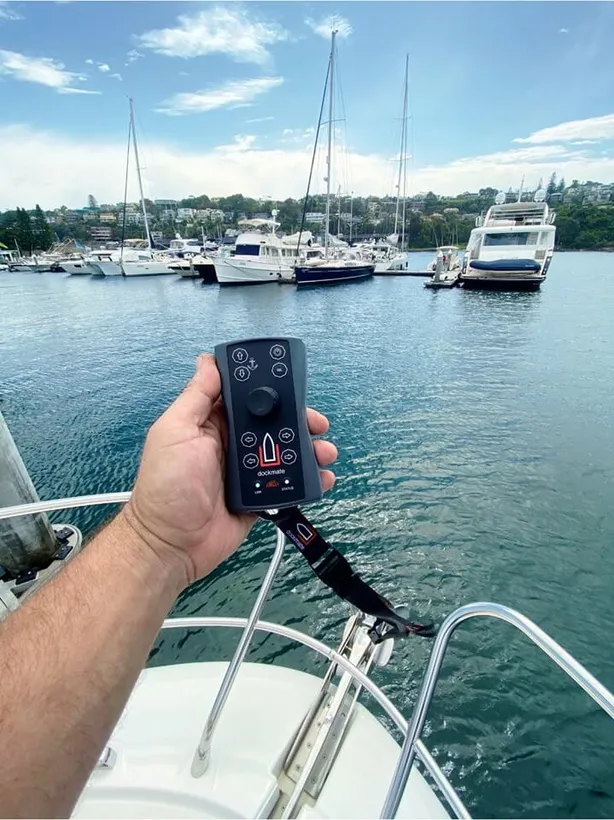
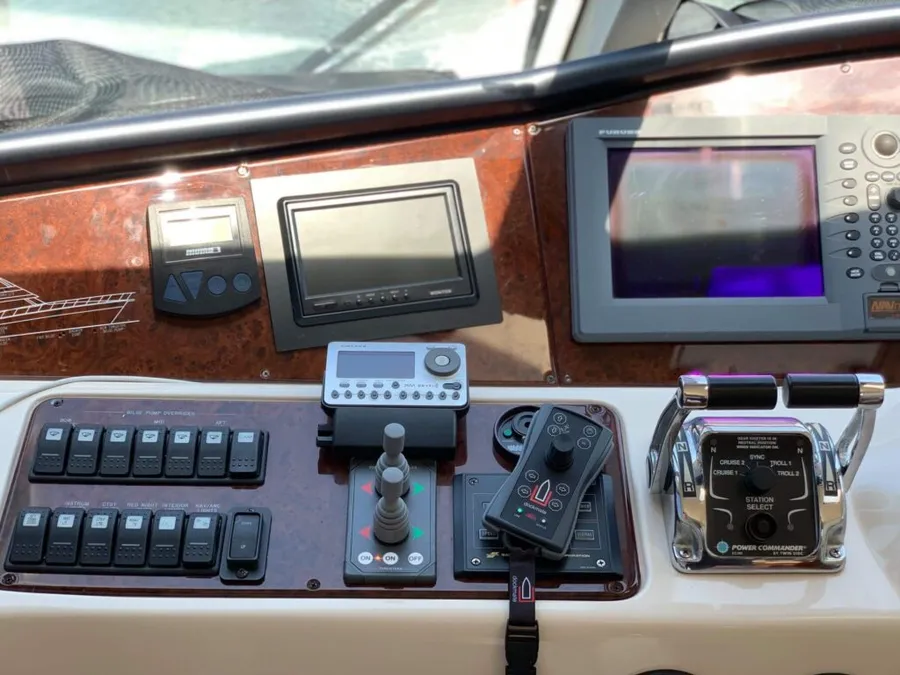
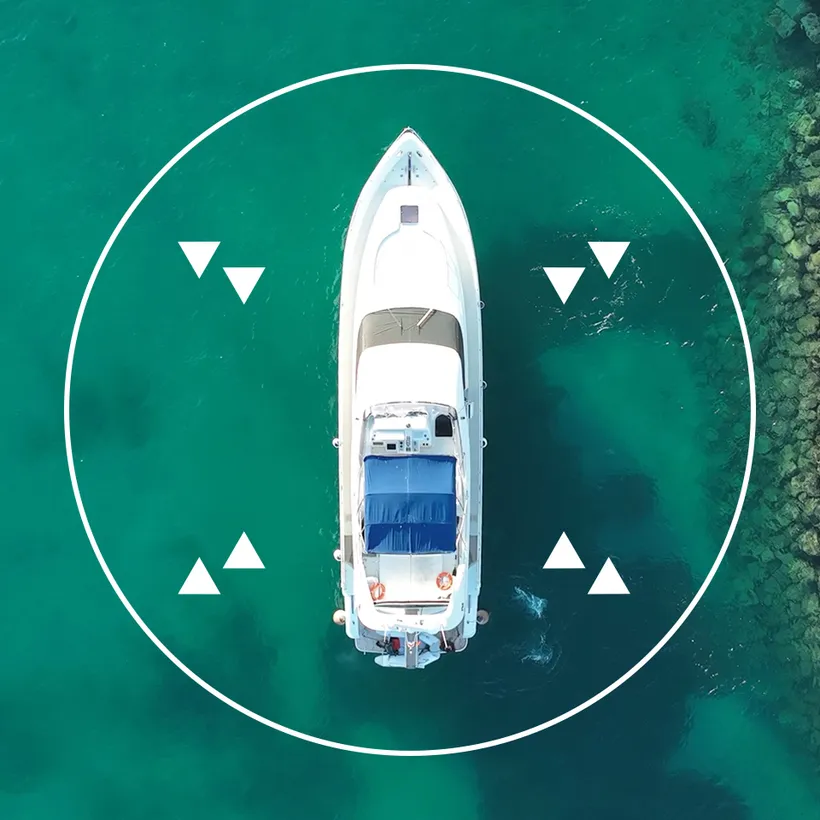
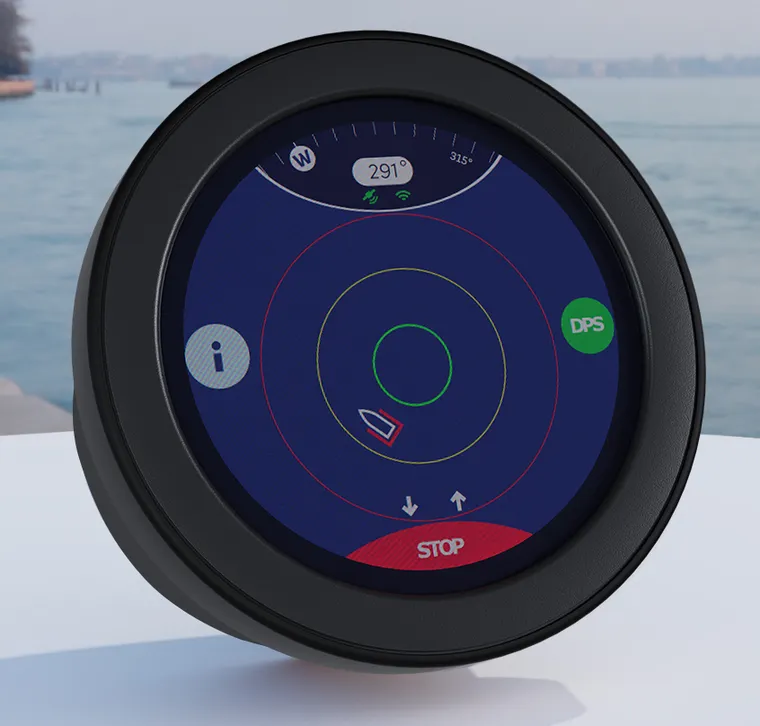
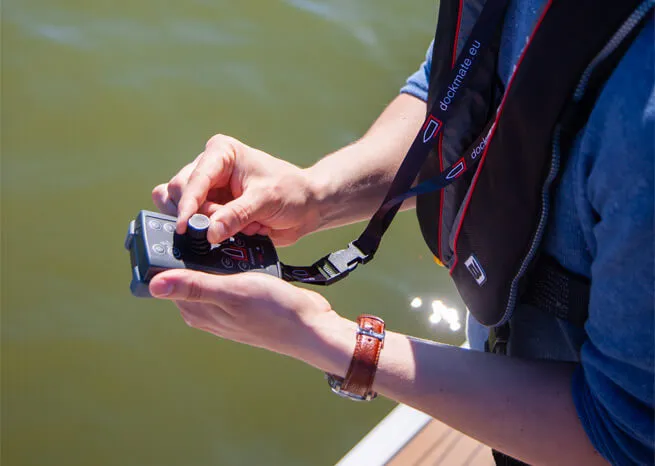
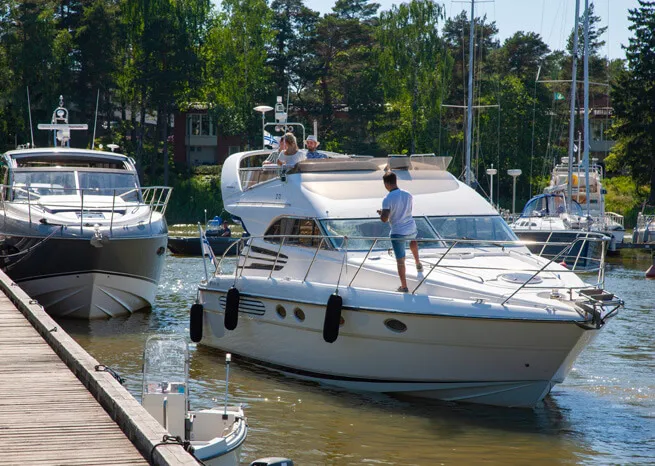
DockMate is not just a remote. The system must match how the boat actually behaves at low speed: engine response, thruster power, windlass use, safety states and skipper habits.
DockMate is designed to control manoeuvring from any safe place on board, with better visibility of sides, stern and bow.
Depending on configuration, the system is planned for engines, bow and stern thrusters, horn and one or two windlasses.
The Receiver links the remote to the vessel controls; configuration is matched to onboard equipment and the preferred operating logic.
DockMate Positioning System adds positioning logic for compatible configurations and should be checked against the actual vessel controls.
The right selection depends on engines, controls, thrusters and the expected docking style, so every recommendation is tied to the real vessel configuration.
For single-engine boats, with planning for engine control, thruster options, windlass and horn according to the actual installation.
Wireless extension of controls for twin-engine boats, focused on natural response and precise short impulses while docking.
Option for vessels with common analogue engine and thruster controls when the goal is a simpler route into wireless docking.
Proportional 3-axis joystick for combining engine and thruster control in one hand, with handheld or fixed-joystick use.
Intended for existing joystick systems and pod-style configurations where maintaining the original control feel matters.
Advanced proportional control for forward/reverse, sideways movement and rotation when the vessel configuration supports it.
There is no universal answer for docking-control systems. The same boat model can have different controls, thrusters, helm layouts or user expectations.
We start with engines, electronics, thrusters, joystick, NMEA/CAN/analogue logic, power supply and available Receiver space.
We define whether buttons, 3-axis joystick, pod logic, windlass/horn control, SoftDocking impulses or DPS option make sense.
Receiver position, cable routes, power, service access, neutral-state testing and expected operating scenarios are prepared.
After integration, response, range, stop behaviour, thruster operation and user habits are checked for the user or skipper.
Basic data is enough to start. If additional photos or controller labels are needed, that is handled through the technical conversation.
Not necessarily. Controls, engines, thrusters and installation layout matter more than vessel length alone, so compatibility is checked before recommendation.
In supported configurations DockMate can be planned for engines, bow/stern thruster, horn and one or two windlasses. Exact scope depends on installation.
The joystick system, pod/drive logic and supported functions are checked. TWIST, VECTOR, PRO or DPS options are often considered for these cases.
DockMate is listed under brands we support. Each inquiry is handled technically: vessel check, compatibility and available supply route before final recommendation.
The best recommendation comes when technical data is combined with how you actually dock: solo, with crew, in a tight marina, crosswind or charter rhythm.